A Step-by-Step Guide for Homeowners
An accessory dwelling unit (ADU) is a self-contained residential unit on the same property as a single-family home — a basement apartment, a garage conversion, a backyard cottage, or an in-law suite. This guide walks homeowners through every stage of the process, from confirming eligibility through occupancy and rental, with links to County, state, and partner resources throughout.
ADU regulations are set at the local level and vary across Ulster County’s municipalities. Before investing time in project planning, confirm what your town or village allows and whether your property can support an ADU.
Most municipalities allow at least one ADU on owner-occupied single-family residential property. Some permit only interior or attached configurations; others allow detached structures as well. Your lot must also meet setback requirements and have adequate utility capacity. Properties on private well or septic systems must confirm that a second unit can be supported by the property's water and septic capacity before proceeding.
What to do
-
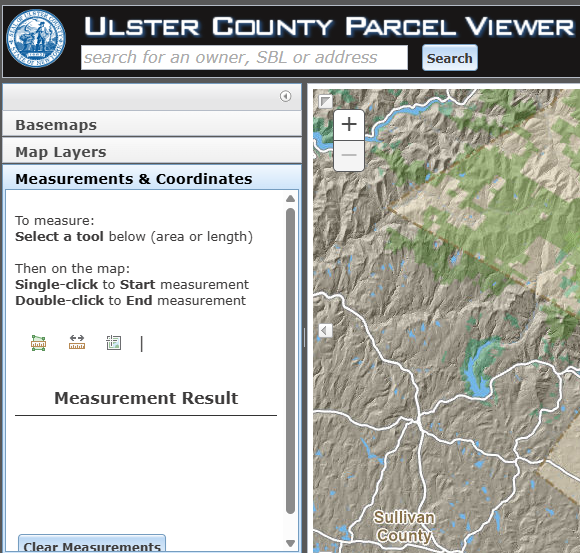
Property Information: Visit the Ulster County Parcel Viewer to identify your zoning district for your property.
-
Zoning Requirements: Look up ADU Regulations by municipality to see the permitted ADU types, size limits, and owner-occupancy requirements for your property. Call or visit your Building Department using the Municipality Directory and confirm your property is in a qualifying residential zone and free of outstanding zoning violations.
-
Design and Dimensional Requirements: Check your lot dimensions against local setback requirements using the Measurement tool in the Ulster County Parcel Viewer or a measuring tape.
-
Water and Septic System Check: If on private well or septic, contact Ulster County Environmental Health to confirm capacity for a second unit.
Resources
Good planning before engaging designers or contractors saves time and money. This step covers both project planning and the pre-development work needed to be competitive for grant funding or loans.
Project Planning
- Decide on your ADU type (detached, attached, or interior conversion) and approximate size based on your site and local limits. Interio conversions are generally less expensive and have fewer setback constraints.
- Conduct extensive research on cost and opportunities for cost savings. New detached ADUs in the Hudson Valley typically run $150,000–$300,000+, but interior conversions can often be significantly less.
- Clarify your intended use: family housing, affordable rental, or market-rate rental. This shapes both design and financial planning.
- Download and complete the ADU Guidebook Exercises to organize what you’ll need throughout the process.
Pre-Development
- Schedule a pre-application meeting with your local building or planning department to confirm what approvals are required. Some projects need only a building permit; others may require a special use permit or variance.
- Engage a designer or contractor to develop a site plan showing the ADU in relation to your property lines and existing structures.
- Get preliminary estimates from at least two contractors covering site prep, utility connections, and construction.
- Compile key property documents: deed, survey, mortgage statement, property tax bills, and homeowner’s insurance.
Resources
The design phase produces the drawings required for building permit submission. Most new detached structures and additions require stamped architectural or engineering documents; simpler interior conversions may not. Confirm with your local building department before engaging a design professional.
All ADU designs must comply with the New York State Residential Code and local building code amendments. Rental units must meet habitability standards: minimum ceiling heights, egress windows in sleeping areas, and adequate ventilation. A building permit is required for virtually all ADU construction. Undertaking work without a building permit creates significant legal and financial risk.
What to do
- Produce floor plans and a site plan that meet your municipality’s dimensional limits — square footage, height, and setbacks.
- For garage or basement conversions, pay particular attention to moisture control, insulation, and ceiling height, which are common code compliance issues.
- Consider energy efficiency upgrades — heat pumps, air sealing, insulation — that may qualify for federal tax credits and NYSERDA incentives.
- Submit your building permit application with all required materials. If a variance or special use permit is needed, schedule those board hearings early — many boards meet only monthly.
- Retain all permit documents. You will need them for required inspections and the final certificate of occupancy.
Resources
ADU construction can cost $50,000–$300,000, depending on project type and scope. Most homeowners use a combination of sources to fund their project. Pursuing financing in parallel with design and permitting — rather than waiting until after permits are issued — reduces overall timeline. Please carefully consider all the financial risks before pursuing the construction of an ADU.
The primary grant resource for Ulster County homeowners. Income-eligible owner-occupants in participating municipalities may apply for grants of up to $112,500 toward ADU construction or rehabilitation. In exchange, recipients agree to rent the unit affordably for a minimum of ten years and prohibit short-term rental use during that period. Applications are open on a first-come, first-served basis.
Additional Options
- Construction Loan: Short-term financing for the build, typically converted to a mortgage or HELOC at completion.
- SONYMA: SONYMA — NYS Mortgage Agency below-market mortgage products that may support renovation financing.
- Federal Tax Credits: Federal Tax Credits — The Inflation Reduction Act provides up to 30% in credits for qualifying energy efficiency improvements.
Once permits are issued and financing is secured, construction may begin. New York State law requires that contractors performing work over $500 be licensed and insured. Before signing any contract, verify your contractor’s license, general liability insurance, and workers’ compensation coverage.
What to do
- Sign a written contract specifying the full scope of work, materials, timeline, payment schedule, and change order process. Do not proceed without one.
- Schedule all required inspections — typically foundation, framing, rough plumbing, rough electrical, insulation, and final. Your building permit will list what’s required.
- Retain at least 10% of the contract price until all inspections are passed and a certificate of occupancy is issued.
- Keep a project log: photograph work in progress, track payments, and get written change orders for any scope changes.
Once your certificate of occupancy (CO) is issued, your ADU is ready to use. No one may occupy or rent the unit before the CO is in hand. If done, this could expose a homeowner to liability and potential insurance claim denials.
How People Use ADUs
Rental housing
Renting your ADU to a tenant is the most common use. It generates income that can offset your mortgage or construction costs, and it adds needed housing supply in your community. A written lease is required under New York State law and protects both parties.
Multigenerational and family housing
Many homeowners build ADUs to house a family member — an aging parent, an adult child, or a relative who needs to be nearby. This arrangement allows for closeness and mutual support while preserving privacy and independence for both households. If your family member is not paying rent, you are not acting as a landlord, though it’s still worth having a written agreement that outlines expectations.
Caregiver housing
An ADU can house a paid or unpaid caregiver, allowing older adults or people with disabilities to age in place while having daily support nearby. This is one of the fastest-growing uses of ADUs nationally and one of the clearest examples of how a small additional unit can make an outsized difference in a household’s quality of life.
Living in Close Proximity
Sharing a property with another household — whether a tenant, a family member, or a caregiver — works best when expectations are clear from the start. A few things worth thinking through before someone moves in:
Shared spaces and access
Clarify in advance who has access to shared areas like driveways, yards, laundry, and storage. The clearer the boundaries, the less room for friction.
Privacy and noise
Both households benefit from clear norms around noise, visitors, and entering each other’s space. As a landlord, New York State law requires you to give reasonable notice before entering a tenant’s unit.
Utilities and maintenance
Decide how utilities will be handled — included in rent, split, or metered separately — and put it in writing. Establish a clear process for maintenance requests so issues get addressed promptly.
Setting Rent
Setting rent is a balancing act. You want to charge enough to cover your costs — mortgage, taxes, insurance, utilities, and maintenance — without pricing the unit out of reach for people who need housing in your community. HUD publishes Fair Market Rents (FMRs) for Ulster County annually; these figures reflect what a modest unit in the local market rents for and are a useful starting point.
Section 8 / Housing Choice Vouchers
ADU owners may choose to rent to tenants who hold a Housing Choice Voucher (commonly called Section 8). The voucher pays a portion of rent directly to the landlord, and the tenant pays the remainder. The unit must pass an inspection and meet HUD housing quality standards. RUPCO administers the Section 8 program in Ulster County and can walk you through what’s involved in becoming a participating landlord. Accepting vouchers is one of the most direct ways an ADU can serve households with the greatest housing need.
Resources
City of Kingston
Town of Denning
Town of Esopus
Town of Gardiner
Town of Hardenburg
Town of Hurley
Town of Kingston
- Accessory apartments are not allowed
Town of Lloyd
Town of Marbletown
Town of Marlborough
Town of New Paltz
Town of Olive
Town of Plattekill
Town of Rochester
Town of Rosendale
Town of Saugerties
Town of Shandaken
Town of Shawangunk
Town of Ulster
Town of Wawarsing
Town of Woodstock
Village of Ellenville
Village of New Paltz
Village of Saugerties
- ADUs not permitted. Variances may be considered.